
General practitioners (GPs) in Singapore play an important role in delivering palliative care, given their broad medical knowledge and established relationships with patients and their families.
But what exactly does this involvement entail, and how do GPs enhance the palliative care landscape?
Palliative Care in Singapore: A Progressing Landscape
Palliative care services in Singapore have seen significant progress since its development in the 1980s, responding to the needs of an ageing population and the increasing prevalence of chronic illnesses.
This care approach focuses on enhancing the quality of life for patients and their families facing challenges associated with life-threatening illnesses. It achieves this through the early identification, comprehensive assessment, and optimal management of pain and other physical, psychosocial, and spiritual issues, aiming to prevent and alleviate suffering.
Notably, this holistic approach is provided across various environments—patients’ homes, nursing homes, hospices, and medical facilities—with a diverse team comprising caregivers, general practitioners, nurses, social workers, therapists, counsellors, and trained volunteers to ensure comprehensive and compassionate care.
Furthermore, the National Strategy for Palliative Care aims to ensure that all Singaporeans have access to quality palliative care services and a supportive palliative care environment.
With continuous expansions and initiatives, palliative care in Singapore is adapting to integrate seamlessly into the broader healthcare system, optimally addressing the community’s developing healthcare needs.
Primary Healthcare Services in Palliative Care
Singapore’s primary healthcare systems, such as GP clinics and polyclinics, offer various services, from acute and chronic care to preventive and allied health support, ensuring well-rounded medical accessibility for the community.
The Role of GP Clinics
If you’re wondering what a GP clinic is compared to other healthcare facilities like Polyclinics, it is essentially a privately run medical facility where general practitioners provide primary care services.
Currently, there are over 2,000 private GP clinics in Singapore, including more than 1,300 Community Health Assist Scheme (CHAS) clinics. Many of these clinics are also part of Primary Care Networks (PCNs), which are supported by teams of nurses and care coordinators to ensure holistic, team-based care for chronic conditions such as diabetes and hypertension.
But what exactly is the role of GP clinics in palliative care?
At these clinics, general practitioners are often the first point of contact for patients with life-limiting illnesses, identifying those who may benefit from palliative care and ensuring timely referrals to appropriate services.
Additionally, GP clinics are known for offering a personalised approach that can be particularly comforting for patients dealing with life-limiting illnesses. Their typically shorter wait times further enhance their appeal as a convenient healthcare option for many.
Polyclinics’ Contribution to Palliative Care
Besides GP clinics, Polyclinics also play a critical role in palliative care, particularly for patients with complex needs who require a multidisciplinary approach. With a wide range of subsidised services, including diagnostic tests, laboratory support, and pharmacy services, Polyclinics provide essential resources for comprehensive care. Furthermore, these facilities integrate allied health professionals, such as dietitians, therapists, and social workers, ensuring the diverse needs of palliative patients are addressed.
In addition to their in-house capabilities, Polyclinics collaborate with palliative care teams to deliver seamless continuity of care that bridges hospital and community-based services. This partnership facilitates smoother transitions for patients managing chronic conditions or life-limiting illnesses by comprehensively addressing physical, emotional, and social dimensions.
The Expanding Role of Primary Care in Singapore
In the past, general practitioners in Singapore typically managed all common medical conditions, serving as the primary healthcare provider for most ailments. However, as the healthcare landscape has developed, so too has the complexity of medical needs, prompting general practitioners to expand their approach to adequately address the broader health challenges of today’s population.
While the role has not fully expanded yet, there is a clear opportunity for primary care to evolve further. This includes contributing to areas such as early identification and initiation of palliative care as part of integrated disease management. By doing so, general practitioners can ensure patients receive timely and holistic support tailored to their overall health needs.
Advancing the Primary Care Sector
Singapore’s primary care sector is developing to address the health needs of its population more holistically. This evolution extends beyond traditional medical care to incorporate social and emotional support, ensuring that general practitioners can provide care that addresses the entire well-being of their patients.
Key to this approach is the implementation of Primary Care Networks, which encourage a team-based care model, allowing GPs to work collaboratively with nurses and care coordinators to manage a broad spectrum of health issues.
General practitioners (GPs) can refer patients to palliative care through systems such as the e-Common Referral Form, facilitated by the Singapore Hospice Council (SHC). By bridging the gap between primary care and palliative care services, each patient’s care journey is well-coordinated.
Building a Primary Care Network
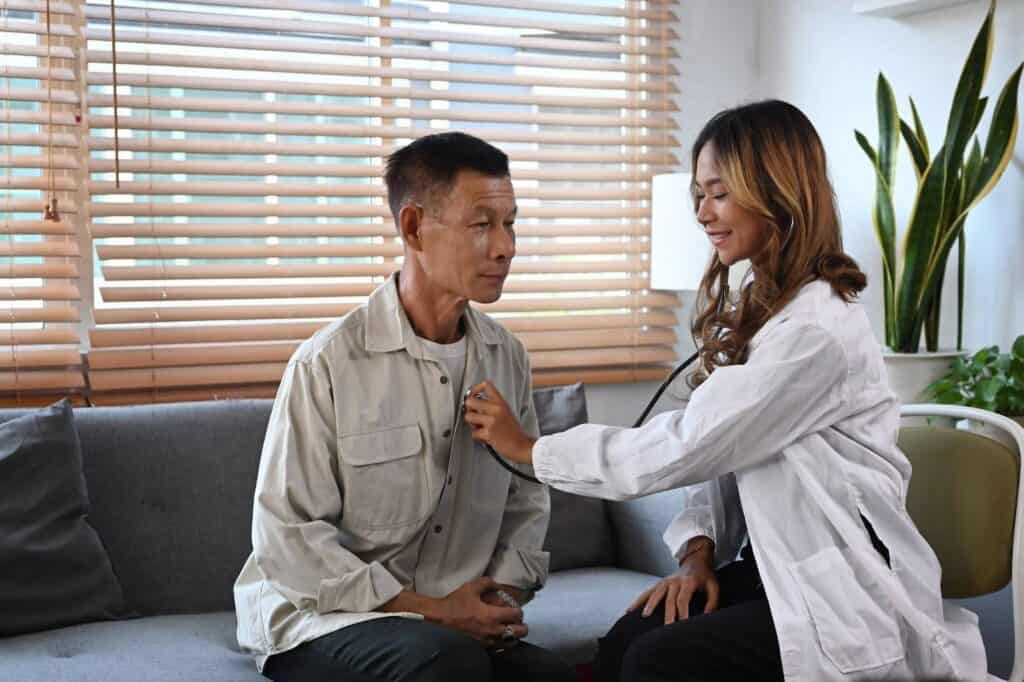
Singapore Hospice Council (SHC) hopes that more primary care providers, such as general practitioners, will join in, as palliative care is a shared responsibility. Delivering primary palliative care in a sustainable manner is essential to address the growing national demand for such services.
Contact the Singapore Hospice Council today to learn more about available resources, support systems, and referral tools that empower healthcare providers to deliver timely and effective palliative care. Together, we can make a meaningful difference in improving the quality of life for patients and their families.